
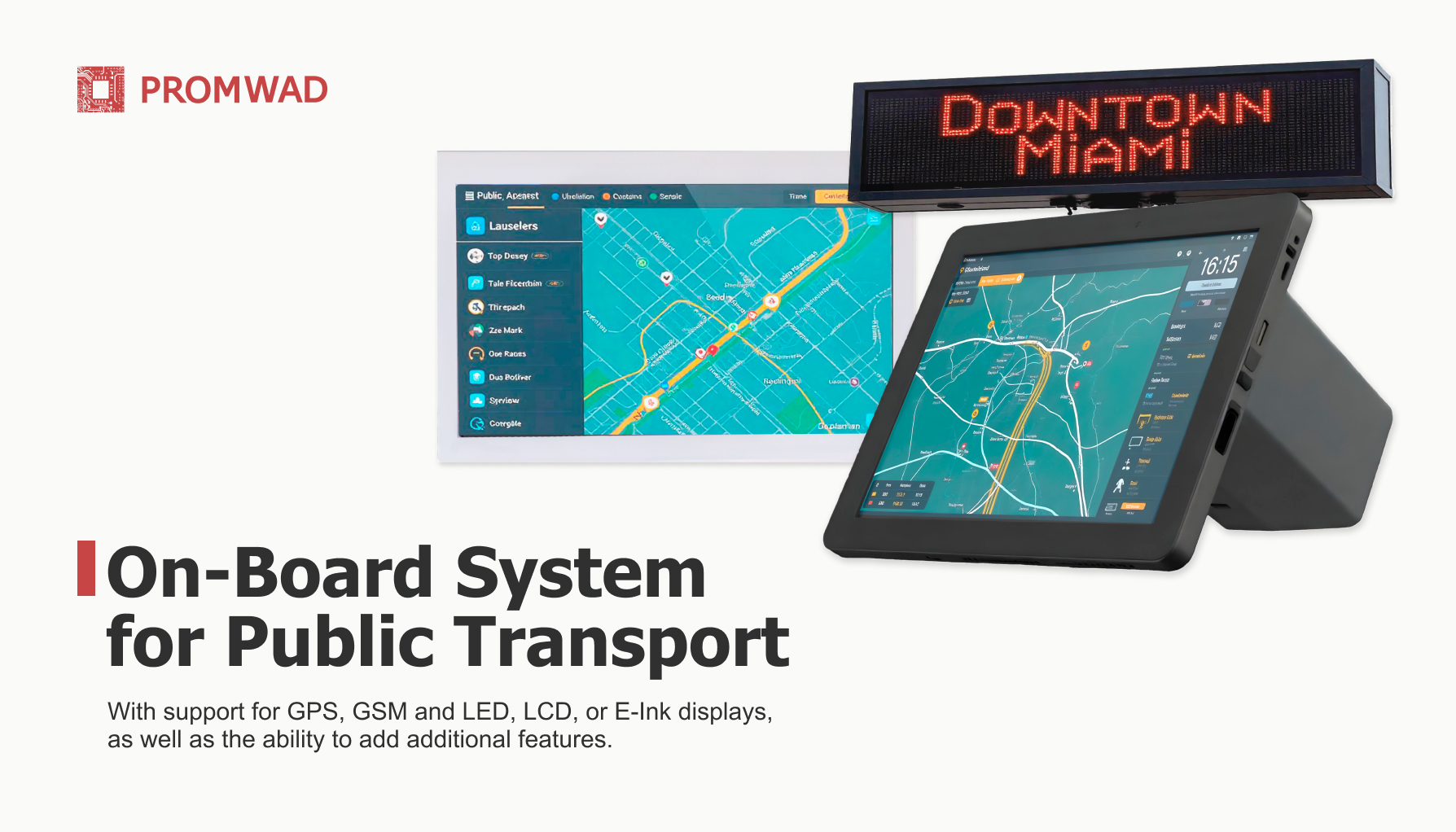
Public transportation systems are becoming increasingly digital. From buses and metro systems to airports and smart city infrastructure, passengers now expect real-time information, intuitive interfaces, and reliable communication systems. At the center of this transformation are advanced public transport HMI solutions that connect passengers, drivers, and operational systems through intelligent displays and control interfaces.
Human–Machine Interface (HMI) technologies allow transportation operators to deliver clear information, manage complex systems efficiently, and enhance overall travel experiences.What HMI Means in Public Transportation
Human–Machine Interface refers to the digital systems that allow people to interact with machines or automated platforms. In transportation environments, HMI systems help communicate critical information to both passengers and operators.
Typical HMI systems used in transportation include:
- Passenger information displays
- Driver control panels
- Ticketing and payment terminals
- Multimedia infotainment displays
- Airport and railway information boards
These interfaces serve as the communication bridge between automated transport infrastructure and the people who rely on it every day.Why Modern Transport Systems Depend on HMI Technology
Urban transportation networks are becoming more complex as cities grow and mobility demands increase. Operators must coordinate schedules, monitor vehicle performance, and communicate with passengers in real time.
HMI systems help address these challenges by providing:
- Instant updates about routes and schedules
- Real-time arrival and departure information
- Clear guidance during service disruptions
- Visual navigation inside transport hubs
- Monitoring tools for drivers and operators
By presenting information clearly and efficiently, these systems reduce confusion and improve operational coordination.Passenger Information Systems
One of the most visible applications of HMI technology in transportation is the passenger information system (PIS). These systems provide real-time updates on travel conditions, routes, and schedules.
Passenger displays may show:
- Upcoming stops or station information
- Estimated arrival times
- Transfer connections
- Service announcements
- Safety instructions
Modern passenger information systems often integrate with GPS data, allowing displays to automatically update based on the vehicle’s location.Driver Terminals and Control Interfaces
While passenger displays improve the travel experience, driver interfaces play a crucial role in safe and efficient vehicle operation.
Driver terminals typically provide:
- Vehicle diagnostics and alerts
- Navigation assistance
- Route information
- Communication with control centers
- Monitoring of onboard systems
Well-designed driver interfaces ensure that operators can access important information quickly without distraction.Ticketing and Payment Interfaces
Digital ticketing systems have become an essential part of modern transportation infrastructure. HMI technology supports the design of ticketing terminals, contactless payment systems, and point-of-sale devices used in transport networks.
These systems allow passengers to:
- Purchase tickets through kiosks or onboard terminals
- Use contactless payment methods
- Access mobile ticketing platforms
- Receive digital receipts and travel confirmations
Reliable ticketing interfaces help streamline passenger flow and reduce waiting times in busy transit hubs.HMI Systems for Different Transport Environments
Transportation networks operate across a variety of environments, each with its own operational requirements. HMI systems must be tailored to these unique conditions.Buses and Coaches
In buses and long-distance coaches, HMI displays are commonly used for route information, multimedia content, and driver communication systems.Railways and Metro Systems
Rail networks rely heavily on platform displays, onboard passenger information systems, and control interfaces that synchronize with central transport management platforms.Airports
Airports use large-scale HMI systems such as flight information display systems (FIDS), baggage claim displays, and digital signage for passenger guidance.Smart City Infrastructure
Cities increasingly deploy digital displays for parking guidance, traffic management, and public information services. These systems provide citizens with real-time updates about urban mobility.Engineering Challenges in Transport HMI Development
Designing HMI systems for public transportation involves several technical challenges. These systems must operate reliably under conditions that include heavy usage, environmental exposure, and strict regulatory requirements.
Important design considerations include:
- Hardware durability for vibration, humidity, and temperature extremes
- High visibility displays for outdoor environments
- Real-time connectivity with transport networks
- Compliance with transportation safety standards
- Long-term system reliability and maintainability
Robust engineering ensures that transport HMI systems continue operating without interruptions in demanding environments.Integration with Connected Transportation Systems
Modern transportation systems increasingly rely on digital infrastructure and connected technologies. HMI platforms often integrate with multiple data sources and communication networks.
Common integration features include:
- GPS-based location tracking
- CCTV camera systems
- Fleet management platforms
- IoT connectivity for vehicle monitoring
- Predictive analytics for operational planning
These integrations allow transportation providers to improve service efficiency while offering passengers more accurate and timely information.The Future of HMI in Smart Mobility
As cities move toward smarter mobility solutions, HMI technologies will continue evolving. Future developments may include:
- AI-powered passenger information systems
- Interactive displays with voice or gesture control
- Augmented reality navigation in transport hubs
- Personalized passenger information services
- Fully integrated smart city mobility platforms
These innovations will further enhance the way passengers interact with transportation systems.Conclusion
Human–Machine Interface technologies have become an essential part of modern transportation infrastructure. By connecting passengers, operators, and automated systems, HMI platforms help ensure efficient communication, safe operations, and improved travel experiences.
As transportation networks grow more connected and data-driven, advanced HMI systems will play a key role in shaping the future of mobility in cities around the world.