
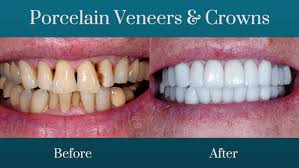
According to clinical dental research, nearly 80% of adults aged 18 to 49 want whiter teeth, indicating that tooth discoloration is one of the most common aesthetic concerns globally. Persistent yellowing or grey staining can significantly dampen your self-esteem, making you hesitant to smile during important professional meetings or social gatherings. While many people turn to over-the-counter products, these often fail to address the underlying cause of the staining, leading to frustration and wasted resources. At Your Digital Dentist, we believe that understanding the science of enamel is the first step toward a transformation. By choosing to discover modern smile solutions, you can move past temporary fixes and embrace long-lasting, technology-driven results that restore both the function and beauty of your teeth.
Main Takeaways
Before diving into the technical details of restorative dental care, consider these primary insights regarding enamel health and aesthetics:
- Professional diagnosis is essential to distinguish between surface-level extrinsic stains and deep-seated intrinsic discoloration.
- Advanced dental technology now allows for same-day cosmetic dentistry treatments that are more comfortable and predictable than ever before.
- Chemical whitening is effective for most, but restorative options like veneers are necessary for structural enamel defects or tetracycline staining.
- The longevity of any whitening or restorative procedure depends heavily on post-treatment hygiene and regular professional maintenance.
- Safe enamel restoration requires balancing aesthetic goals with the preservation of the tooth’s natural structural integrity.
Identifying the Primary Causes of Enamel Discoloration
Understanding why teeth lose their luster is critical for selecting the right treatment path. Enamel is the hardest substance in the human body, but it is also porous. Over time, microscopic channels in the enamel allow pigments from food and beverages to settle deep within the tooth structure. This is often categorized into extrinsic and intrinsic staining, each requiring a different clinical approach to resolve.
The Impact of Lifestyle and Extrinsic Factors
Extrinsic stains are those that reside on the outer layer of the tooth. These are typically the result of routine habits, such as the frequent consumption of dark-pigmented liquids like coffee, black tea, and red wine. Tobacco use is another leading culprit, as nicotine and tar easily leach into the enamel pores. While these stains are often the easiest to treat with professional teeth whitening, they can become permanent if left unaddressed for years, eventually migrating into the underlying dentin.
Intrinsic Stains and Structural Changes
Intrinsic discoloration occurs within the inner structure of the tooth, known as the dentin. This type of staining is far more complex and cannot be removed by surface bleaching alone. Common causes include trauma to the tooth, which can cause the pulp to die and the tooth to turn dark grey or brown. Additionally, certain medications taken during tooth development, such as tetracycline, can cause horizontal bands of discoloration. Genetic conditions and excessive fluoride intake during childhood (fluorosis) also contribute to intrinsic white or brown spots that require more advanced smile makeover services.
The Natural Process of Aging and Enamel Thinning
As we age, the outer layer of enamel naturally wears down due to attrition and acid erosion. As the enamel becomes thinner, the yellowish dentin underneath becomes more visible. This is why many older adults notice their teeth looking increasingly yellow despite maintaining excellent oral hygiene. Restorative dental care in these cases often focuses on reinforcing the enamel or covering it entirely to mimic the opacity and brightness of younger teeth.
Professional Teeth Whitening and Chemical Solutions
When surface stains are the primary concern, professional intervention offers a level of safety and efficacy that drugstore kits simply cannot match. Digital Aesthetic Dentistry utilizes high-concentration whitening agents that are stabilized to minimize sensitivity while maximizing the breakdown of chromogens (color-producing compounds) within the enamel.
Laser and Light-Accelerated Systems
Modern clinics often employ light-accelerated technology, such as the Zoom system, to catalyze the whitening reaction. By applying a specialized hydrogen peroxide gel and exposing it to a specific wavelength of blue light, the oxygen molecules are able to penetrate the enamel more rapidly. This process can brighten teeth by several shades in a single hour-long appointment. This is an ideal solution for patients seeking immediate results for an upcoming event or those who prefer a supervised clinical environment.
Custom-Fitted Laboratory Trays
For patients who prefer a gradual approach or have sensitive teeth, custom-fitted whitening trays represent the gold standard of at-home care. Unlike the boil-and-bite trays found in stores, these are fabricated from precise digital impressions of your mouth. This ensures that the professional-grade whitening gel stays in direct contact with the tooth surface and does not leak onto the delicate gum tissue, which can cause chemical burns. These trays allow for personalized care, as the concentration of the gel can be adjusted based on the patient’s comfort levels.
Restorative Solutions for Complex Discoloration
In cases where chemical whitening is insufficient, restorative dental care provides a way to physically mask or replace the discolored surface. This is particularly relevant for patients with chips, cracks, or heavy internal staining that resists bleaching agents. These procedures fall under the umbrella of cosmetic dentistry treatments but often serve the dual purpose of protecting the tooth structure.
Porcelain Veneers and Smile Transformation
Veneers are thin, custom-made shells of medical-grade ceramic that are bonded to the front of the teeth. They are the ultimate tool for smile makeover services because they allow for total control over shape, size, and shade. Porcelain is highly resistant to future staining and mimics the light-reflecting properties of natural enamel. At Your Digital Dentist, we use digital precision to ensure the veneers blend seamlessly with your natural facial features, providing a result that is both stunning and functional.
Composite Dental Bonding Techniques
For minor discoloration or localized spots, dental bonding offers a faster and more conservative alternative. A tooth-colored composite resin is applied to the surface, sculpted into the desired shape, and hardened with a curing light. While bonding is not as durable as porcelain and may require touch-ups over time, it is an excellent way to address specific imperfections without removing significant amounts of natural enamel. It is often used as a finishing touch following other restorative procedures.
Full-Coverage Dental Crowns
When discoloration is accompanied by significant decay or structural damage, a dental crown may be necessary. A crown covers the entire visible portion of the tooth, providing a fresh aesthetic surface while restoring the tooth’s strength. Advanced dental technology now allows for the creation of all-ceramic or zirconia crowns that contain no metal, eliminating the dark line often seen at the gumline with older restorations. In more severe cases involving missing teeth, dental implant procedures can be integrated to provide a foundation for these aesthetic crowns.
Comparing Modern Enamel Fixes
Choosing the right treatment involves weighing factors such as durability, cost, and the specific nature of your discoloration. Use this table as a quick reference to compare the most common professional methods for achieving a brighter smile based on clinical outcomes and patient lifestyle needs.
| Treatment Method | Primary Goal | Estimated Longevity | Invasiveness | Ideal Candidate |
| Professional Whitening | Remove Extrinsic Stains | 6 months – 2 years | Non-invasive | Surface-level stains from food/drink |
| Porcelain Veneers | Total Aesthetic Redesign | 10 – 15+ years | Minimally invasive | Intrinsic stains or structural gaps |
| Dental Bonding | Patch Minor Imperfections | 3 – 7 years | Non-invasive | Small chips or localized white spots |
| Full Dental Crowns | Restore Strength & Color | 15+ years | Moderate | Decayed or heavily damaged teeth |
| Microabrasion | Surface Refinement | Permanent change | Minimally invasive | Shallow white spots or fluorosis |
The Role of Advanced Digital Precision
The success of modern dentistry is deeply rooted in the transition from analog to digital workflows. By utilizing 3D intraoral scanners, dentists can create a virtual model of your mouth that is accurate to the micron. This eliminates the need for messy traditional impressions and allows for the design of restorations that fit perfectly on the first try. At Digital Aesthetic Dentistry, this technology ensures that whether you are receiving invisible braces options or a complex set of veneers, the outcome is predictable and tailored to your unique anatomy.
Predictable Results through AI and Imaging
One of the most exciting aspects of modern cosmetic dentistry is the ability to see your results before the treatment even begins. Digital smile design software allows clinicians to overlay proposed changes onto a photo of your current smile. This collaborative process ensures that the patient and the dentist are in total agreement on the aesthetic goals, reducing the anxiety often associated with permanent dental changes. This level of transparency is a hallmark of the compassionate team at Your Digital Dentist.
Maintaining Your Results and Oral Health
Investing in a smile transformation is only the first half of the journey; the second half is maintaining that brilliance through diligent care. The porous nature of enamel means that even the most advanced treatments can be compromised by poor habits. To protect your investment, it is essential to adopt a proactive approach to oral hygiene and professional maintenance.
The Importance of Professional Prophylaxis
Regular dental cleanings are the most effective defense against the return of extrinsic stains. During a professional cleaning, a hygienist uses specialized tools and polishing pastes to remove biofilm and surface pigments that a standard toothbrush cannot reach. These visits also allow the clinical team to monitor the integrity of any veneers, crowns, or bonding you may have received, ensuring they remain securely bonded and free of marginal staining.
Strategic At-Home Hygiene Habits
Beyond the basics of brushing and flossing, specific tools can help maintain a white smile. High-quality electric toothbrushes with pressure sensors prevent aggressive brushing, which can lead to enamel thinning. Additionally, using a non-abrasive whitening toothpaste can help repel new stains without scratching the surface of your teeth or restorations. It is also wise to follow the “white diet” for the first 48 hours after a professional whitening session, avoiding any food or drink that would stain a white cotton t-shirt.
Key Takeaways
Achieving a radiant smile is a multifaceted process that combines clinical expertise with advanced technology. Remember these key points as you consider your options for enamel restoration:
- Identify the stain type first; intrinsic stains require restorative solutions, while extrinsic stains usually respond well to bleaching.
- Professional treatments offer higher concentrations of active ingredients and better safety protocols than over-the-counter alternatives.
- Modern dentistry utilizes digital tools to ensure every restoration is custom-fitted and aesthetically pleasing.
- Maintenance is a lifelong commitment involving both daily hygiene and regular professional check-ups.
- Personalized consultations are the only way to determine which modern solution is right for your specific dental health needs.
FAQs About Modern Smile Solutions
How long does professional teeth whitening last compared to store-bought kits?
Professional teeth whitening generally lasts between six months and two years, depending on your lifestyle habits. Because professional treatments use higher concentrations of whitening agents and custom-fitted delivery systems, the results are deeper and more uniform than those from store-bought kits, which often only affect the most superficial layer of the enamel.
Can porcelain veneers be whitened if they become stained?
No, porcelain is a non-porous material and does not respond to traditional whitening or bleaching agents. However, porcelain is inherently resistant to staining. If your veneers appear discolored, it is usually due to surface accumulation or staining of the underlying natural tooth, which requires professional cleaning or replacement rather than whitening.
Is the process for getting dental veneers painful?
The process for receiving veneers is typically very comfortable. Local anesthesia is used during the preparation phase to ensure you feel no discomfort. After the procedure, some patients may experience mild sensitivity to hot or cold for a few days, but this is temporary and easily managed with over-the-counter relief. Our compassionate team focuses on patient-centric care to ensure a stress-free experience.
Are modern whitening treatments safe for people with sensitive teeth?
Yes, modern professional whitening systems are designed with sensitivity management in mind. By using desensitizing agents like potassium nitrate and adjusting the duration and concentration of the treatment, dentists can provide a comfortable experience even for those with a history of tooth sensitivity. A professional consultation is the best way to determine the most appropriate whitening protocol for your needs.
Will invisible braces help with tooth discoloration?
While invisible braces options primarily focus on aligning the teeth, they can indirectly help with discoloration. Properly aligned teeth are easier to clean, reducing the buildup of plaque and surface stains. Furthermore, many patients choose to combine their clear aligner therapy with professional whitening treatments to achieve a comprehensive smile transformation.
Schedule Your Consultation
Your journey toward a brighter, more confident smile begins with a personalized assessment. At Digital Aesthetic Dentistry, we combine digital precision with a warm, patient-centric approach to help you achieve the results you deserve. Whether you are interested in professional whitening or a full smile makeover, our team is here to guide you every step of the way. Contact us at 904-619-6478 or visit our clinic at 10915 Baymeadows Rd #106, Jacksonville, FL 32256 to book your visit and discover how we can transform your smile.