
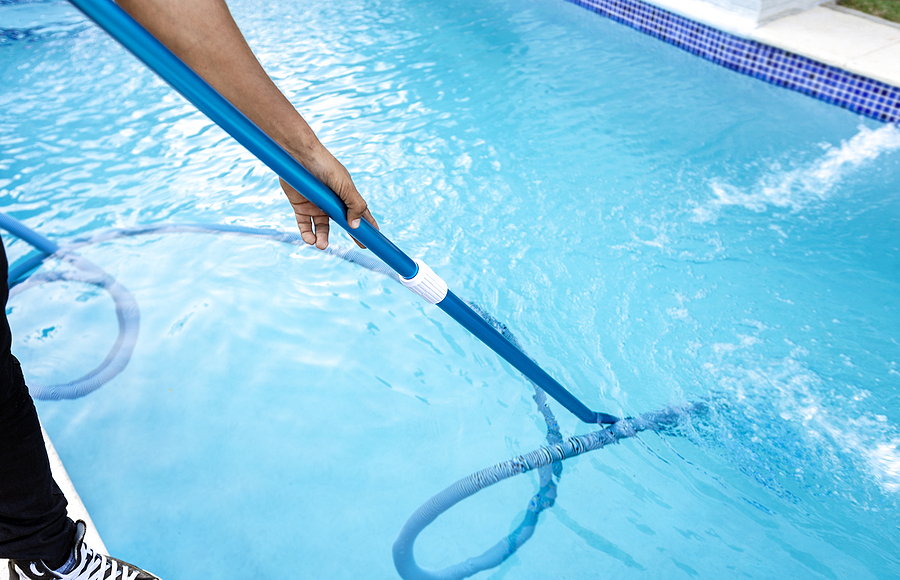
Owning a swimming pool brings endless enjoyment, but it also comes with responsibilities. Regular cleaning is essential to keep the water sparkling, safe, and inviting. However, pool maintenance can be time-consuming when done manually. This is where pool cleaners come in. Modern devices can handle much of the hard work, giving you more time to enjoy your pool rather than labour over it.
This guide explains how pool cleaners can save your time, the different types available, and why investing in the best pool cleaner for your setup is a smart choice.
Why Pool Cleaning Matters
Clean water is not just about appearances. Proper cleaning prevents algae growth, keeps water chemistry balanced, and ensures your pool remains hygienic for swimming. Skipping routine maintenance often leads to cloudy water, stubborn stains, or even costly repairs.
Traditionally, pool owners relied on manual brushing, skimming, and vacuuming. While effective, these methods can take several hours each week. By comparison, automated solutions drastically cut down the workload while maintaining a high standard of cleanliness.
How Pool Cleaners Work
Pool cleaners are designed to remove dirt, leaves, and other debris from the water and pool surfaces. Depending on the model, they may attach to the filtration system or operate independently. Most are built to navigate the pool floor, walls, and sometimes even steps, leaving little behind.
The efficiency of these devices lies in their ability to:
- Operate consistently without constant supervision.
- Cover hard-to-reach areas like corners and stairs.
- Collect debris before it settles or causes staining.
By automating routine cleaning, pool owners can focus on occasional checks rather than daily scrubbing.
Types of Pool Cleaners
Understanding the different categories helps in choosing the right one for your pool.
Suction-Side Pool Cleaners
These attach to your pool’s skimmer or dedicated suction line, drawing debris into the filtration system. They are affordable and effective for fine dirt but may require regular filter cleaning.
Pressure-Side Pool Cleaners
Using water pressure from a return line, these cleaners push debris into an attached bag. They reduce strain on the filter system and work well for larger debris such as leaves and twigs.
Robotic Pool Cleaners
Robotic models are independent units powered by electricity. They come with built-in filters and advanced navigation systems. While more expensive, they offer the highest level of convenience and efficiency, often considered the best pool cleaner option for busy homeowners.
How Pool Cleaners Save You Time
The main benefit of using a pool cleaner is time savings. Here’s how they achieve it:
- Automated cleaning cycles: Many devices run for several hours, covering the entire pool without supervision.
- Consistent performance: Unlike manual cleaning, machines do not miss spots or cut corners.
- Reduced chemical use: By removing debris promptly, they reduce algae growth and help maintain balanced water chemistry.
- Lower maintenance effort: With less debris left to decay, you spend less time testing and adjusting chemicals.
Instead of hours of manual labour, most pool owners only need to empty a debris bag or clean a filter tray once the cycle is complete.
Long-Term Benefits of Pool Cleaners
Time savings are not the only advantage. Pool cleaners also extend the lifespan of your pool by keeping surfaces free of stains and algae. Consistent cleaning reduces the strain on pumps and filters, lowering the risk of costly breakdowns.
Over time, this means fewer repairs, fewer hours of scrubbing, and more years of enjoyment. The upfront investment in a reliable cleaner pays for itself through reduced effort and maintenance costs.
Tips for Maximising Pool Cleaner Efficiency
To get the most from your device, keep these tips in mind:
- Choose the right cleaner: Match the type of cleaner to your pool size, surface, and environment.
- Keep filters clean: Regularly empty bags or rinse trays to maintain suction and efficiency.
- Run the cleaner regularly: Short, frequent cleaning cycles are better than waiting for debris to build up.
- Balance water chemistry: Even the best pool cleaner works more effectively in properly treated water.
When Manual Cleaning Is Still Necessary
Although pool cleaners handle the bulk of the work, occasional manual cleaning is still required. Steps, corners, and waterlines may need extra brushing. Seasonal tasks such as deep cleaning before opening or closing the pool also require manual effort.
However, compared with doing everything by hand, the difference in time commitment is dramatic. Most owners spend minutes per week on maintenance rather than hours.
Conclusion
Understanding how pool cleaners can save your time highlights why they are a worthwhile investment. They provide efficient, consistent cleaning, reduce chemical demands, and extend the life of your pool. With options ranging from suction-side models to advanced robotics, there is a cleaner suited to every budget and pool type.
By combining regular use of a pool cleaner with good water care habits, you can enjoy a sparkling pool with minimal effort. Whether you are a casual swimmer or a dedicated pool enthusiast, investing in the best pool cleaner means more time relaxing and less time scrubbing.